As the world moves toward electric mobility and renewable energy, batteries have become one of the most valuable components in modern technology. Whether it's an electric vehicle (EV), solar energy storage system, or industrial backup power, the efficiency and lifespan of a battery depend on one critical technology—the Battery Management System (BMS). A BAT BMS is the intelligent control unit that monitors, protects, and optimizes battery performance, ensuring safe and reliable operation.
A Battery Management System continuously tracks essential battery parameters such as voltage, current, temperature, and State of Charge (SoC). By collecting real-time data, it ensures that every battery cell operates within its safe limits. This prevents issues such as overcharging, over-discharging, overheating, and short circuits, all of which can significantly reduce battery life or create safety hazards.
One of the most important functions of a BAT BMS is cell balancing. In a battery pack, individual cells naturally develop slight differences in voltage and capacity over time. Without balancing, weaker cells may become overcharged or deeply discharged, leading to reduced performance and premature battery failure. A BMS equalizes the charge among all cells, maximizing battery efficiency and extending its overall lifespan.
One of the most important functions of a BAT BMS is cell balancing. In a battery pack, individual cells naturally develop slight differences in voltage and capacity over time. Without balancing, weaker cells may become overcharged or deeply discharged, leading to reduced performance and premature battery failure. A BMS equalizes the charge among all cells, maximizing battery efficiency and extending its overall lifespan.
One of the most important functions of a BAT BMS is cell balancing. In a battery pack, individual cells naturally develop slight differences in voltage and capacity over time. Without balancing, weaker cells may become overcharged or deeply discharged, leading to reduced performance and premature battery failure. A BMS equalizes the charge among all cells, maximizing battery efficiency and extending its overall lifespan.
Safety is another key advantage of a BAT BMS. Lithium-ion batteries are highly energy-dense but require careful management. The BMS acts as a protective shield by disconnecting the battery during abnormal conditions such as excessive temperature, high current, or voltage fluctuations. This helps prevent thermal runaway, fire risks, and costly equipment damage.
Modern BAT BMS solutions also support advanced communication protocols such as CAN, RS485, Modbus, and Bluetooth. These features enable users to monitor battery health remotely through mobile apps or cloud-based platforms. Real-time diagnostics, fault alerts, and performance analytics help maintenance teams identify potential issues before they become serious problems, reducing downtime and maintenance costs.
The applications of BAT BMS are extensive. In electric vehicles, it improves driving range, charging efficiency, and battery longevity. In renewable energy systems, it ensures reliable storage and distribution of solar or wind power. Industrial equipment, telecommunications, medical devices, marine systems, and UPS backup solutions also rely on advanced BMS technology for uninterrupted performance and operational safety.
As battery technology continues to evolve, intelligent Battery Management Systems are becoming even more sophisticated. Artificial intelligence, predictive maintenance, and cloud connectivity are transforming BMS solutions into smart energy management platforms. These innovations not only improve battery performance but also contribute to a more sustainable and energy-efficient future.
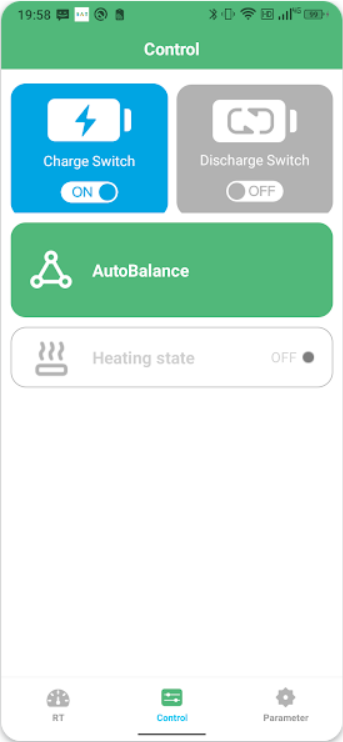
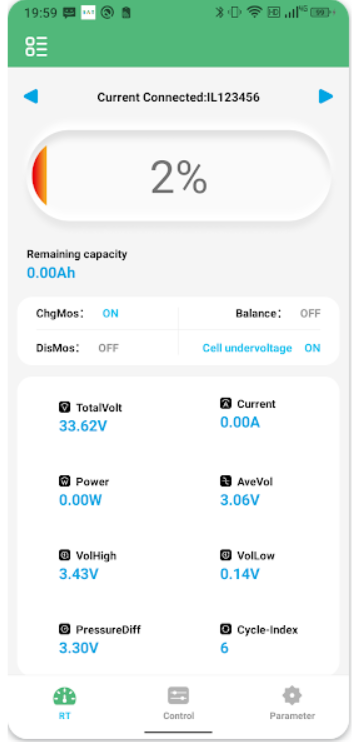
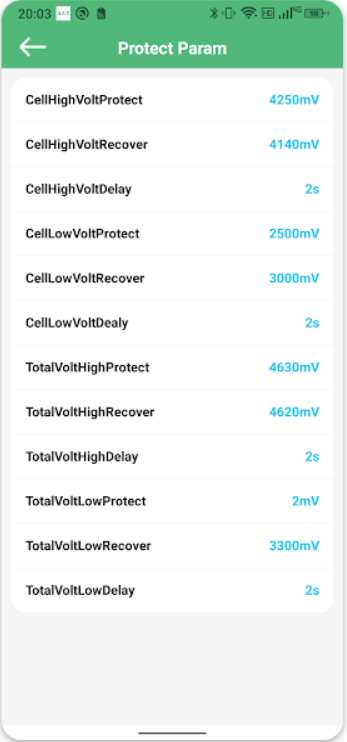
Clean dashboards and practical battery information in one place.
Track voltage, current, power, temperature and charge level from a responsive dashboard.
Display safety states, cell limits and protection indicators to help maintain battery health.
Designed for phones, tablets and desktop screens with an app download area.
Demo values can be replaced with your real BMS API/Bluetooth data.
Open the dashboard and explore the BAT BMS interface.